Fraudulent Schemes Targeting Military Personnel

The total confirmed amount of losses is about a million hryvnias. The fraudsters obtained personal data of former prisoners of war from unidentified sources and called them, posing as employees of banking institutions or law enforcement agencies. With knowledge of the victims' service in the Armed Forces and their captivity, the scammers exploited their trust and vulnerable psychological state.
The operation was uncovered by investigators from the Main Investigation Department of the National Police of Ukraine in collaboration with cyber police officers and the Security Service of Ukraine in the Kharkiv region.
During the pre-trial investigation, it was established that the fraudsters convinced the victims that payments were due to their accounts, but due to "technical issues," the funds had not been credited. To "resolve the issue," the scammers extracted one-time SMS codes, using which they accessed online banking and gained full control over the accounts. Documented cases were recorded where a serviceman was convinced to send a bank card by mail, which was then used to withdraw cash and purchase items in jewelry stores, electronics retail chains, grocery, and alcohol supermarkets.
The suspects turned out to be brothers from the Odesa region, who were unemployed and spent the illegally obtained money on jewelry, mobile phones, electronics, and food. The organizer was sentenced in December 2024 to four years in prison for similar crimes, but while on probation, he continued his criminal activities.
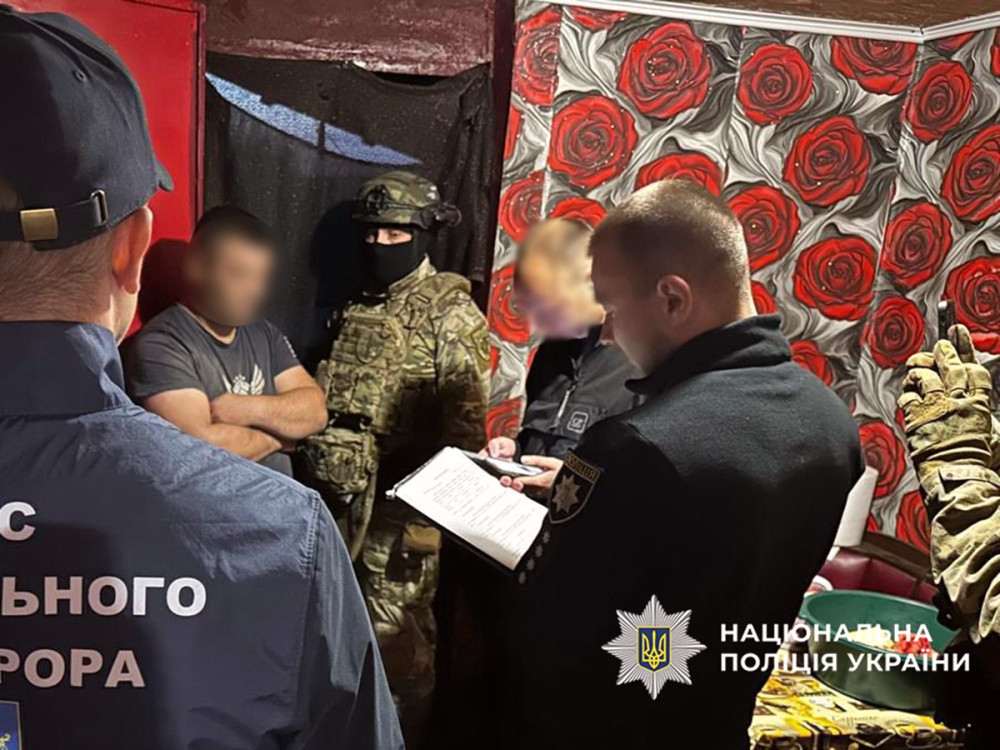
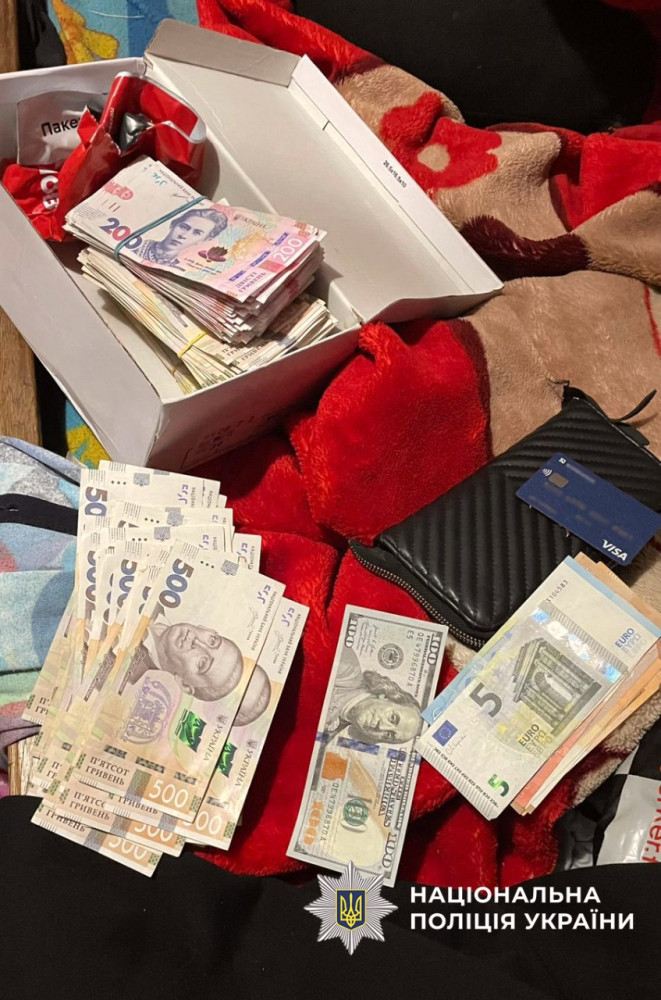
Law enforcement conducted searches at the suspects' residences and seized mobile phones, bank cards, about 200,000 UAH in various currencies, and gold jewelry purchased at the expense of military personnel. Both brothers were detained under Article 208 of the Criminal Procedure Code of Ukraine. At least 10 Ukrainian defenders fell victim to the actions of the criminals.
Investigators informed the suspects of their charges for creating and participating in a criminal organization (Part 1, Part 2, Article 255 of the Criminal Code of Ukraine) and fraud committed by a criminal organization on a large scale (Part 4 Article 28, Part 4 Article 190 of the Criminal Code of Ukraine).
The perpetrators face up to twelve years in prison with asset confiscation. The court will soon consider a motion for preventive detention without setting bail.
The police urge citizens to be vigilant, not to disclose payment card details and SMS codes confirming financial transactions to strangers. In case of suspicious calls or messages, it is essential to contact the police immediately. The Office of the Prosecutor General oversees the procedural management of the case.